Cultural heritage drives local economies by anchoring tourism, sustaining skilled crafts and jobs, and giving historic places a new working life. Treated as an asset rather than a cost, heritage becomes an engine for development. This is a short, sourced explainer from Cultural Heritage Online.
The three mechanisms
Heritage creates economic value in three connected ways. The first is tourism: monuments, towns, and traditions are the reason visitors come, stay, and spend — Italy holds more UNESCO World Heritage Sites than any other country, and that catalogue underpins a large share of its visitor economy. The second is employment: conservation, restoration, guiding, and craft production are skilled, local jobs that cannot be offshored. The third is regeneration: restoring a derelict historic building lifts the value and life of everything around it.
The three reinforce one another. A restored site draws visitors; visitors sustain jobs; the activity justifies further investment. The engine, once started, tends to keep turning.
Regeneration in practice: the Lingotto
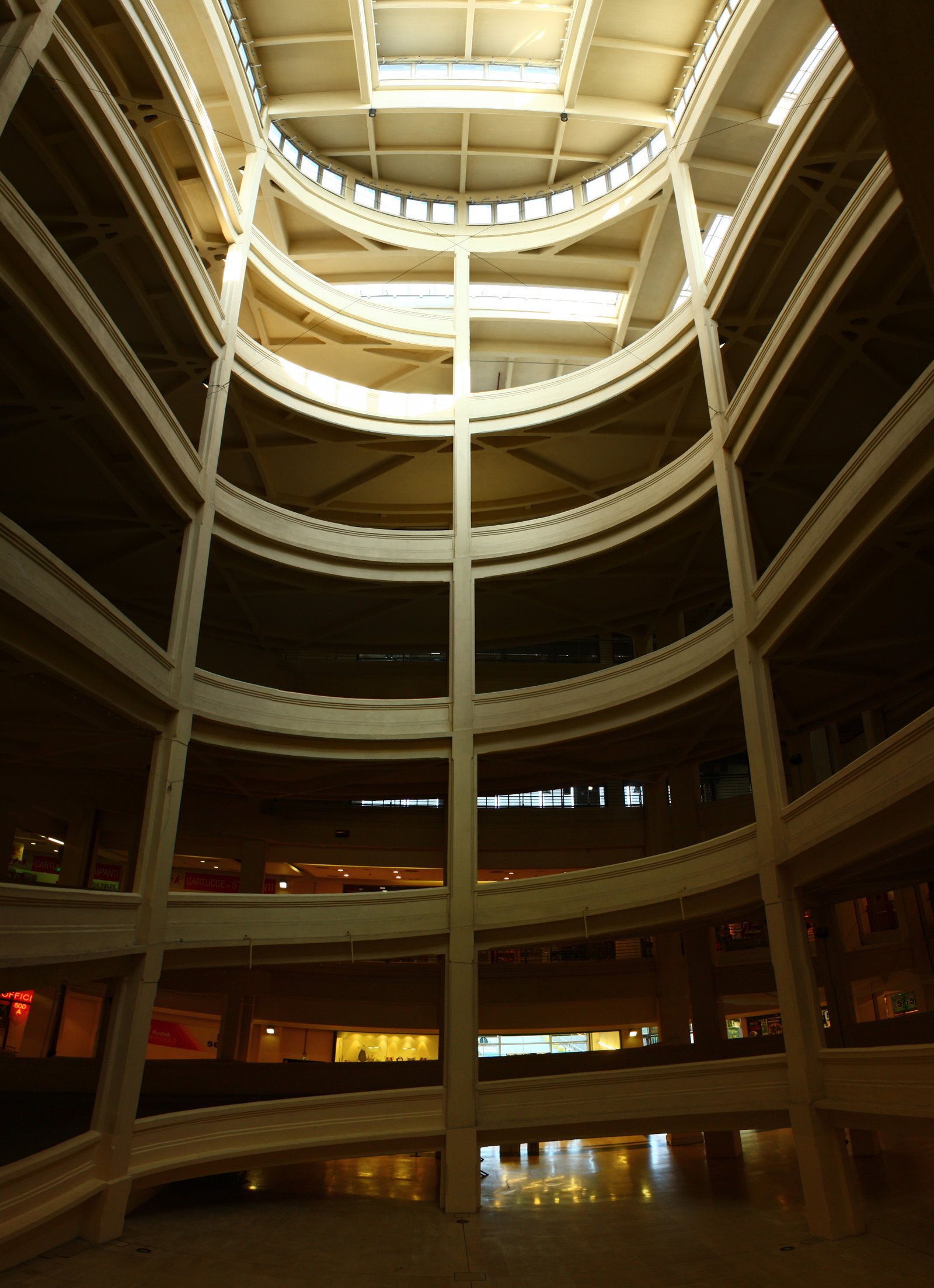
Few buildings show the mechanism more clearly than the Lingotto in Turin. Built in the 1920s as a Fiat car factory — famous for the test track on its roof — it was left obsolete by the end of the century. Rather than demolish it, the city had Renzo Piano convert it into a complex of conference halls, a concert auditorium, a shopping arcade, a hotel, a university faculty, and the Pinacoteca Agnelli art gallery. Industrial heritage became a working cultural and economic hub, and the surrounding district followed.
Regeneration at city scale: Matera
The same logic can transform a whole place. The Sassi di Matera — the ancient cave districts once condemned as the “shame of Italy” and largely evacuated in the 1950s — were listed by UNESCO in 1993 and progressively restored. In 2019 Matera served as a European Capital of Culture. Heritage that had been a liability became the foundation of the city’s identity and visitor economy.
Why this matters for institutions and municipalities
For a museum, a foundation, or a town hall, the practical lesson is that heritage repays documentation and visibility. A place that is recorded, sourced, mapped, and findable online attracts the visitors, researchers, and partners that turn cultural value into economic activity. A place that is invisible attracts none of them.
That is the work CHO supports: making heritage findable, credible, and connected — the precondition for any of the three mechanisms above to operate.
Frequently Asked Questions
How does cultural heritage drive economic growth?
Through three connected mechanisms: tourism (heritage is the reason visitors come and spend), employment (conservation, restoration, guiding, and craft are skilled local jobs), and regeneration (restoring historic buildings raises the value and activity of the area around them).
What is heritage-led regeneration?
It is using the restoration and reuse of historic places as the driver of an area’s economic and social revival. The conversion of Turin’s Lingotto factory into a cultural and conference complex, and the restoration of the Sassi di Matera ahead of its 2019 European Capital of Culture year, are clear Italian examples.
Why should a town or museum invest in its heritage?
Because documented, visible heritage attracts visitors, researchers, and partners, while invisible heritage attracts none. Making a place findable and credible online is the precondition for tourism, jobs, and regeneration to follow.
Does cultural tourism really benefit local economies?
Yes, when it is spread beyond a few hotspots. Heritage tourism sustains local crafts, hospitality, and conservation jobs, and gives historic centres a reason and the means to be maintained rather than abandoned.
Sources used in this article
- CHO place_card Lingotto — former Fiat factory, Turin, converted by Renzo Piano.
- CHO place_card Sassi di Matera — UNESCO World Heritage Site (1993); Matera, European Capital of Culture 2019.
- CHO interactive heritage map — 3,300+ documented places with GPS.