Adaptive reuse is giving a historic building a new function while keeping its structure and character — turning a disused factory, church, or station into housing, a museum, or offices instead of demolishing it. It conserves heritage and reduces waste at once. This is a short, sourced explainer from Cultural Heritage Online.
What adaptive reuse means
A historic building outlives its original purpose more often than not: factories close, churches empty, stations are bypassed. Adaptive reuse is the alternative to letting them decay or pulling them down. The shell, and usually the defining features, are kept; the inside is reworked for a new use. The building stays in the life of the city instead of becoming a ruin or a vacant lot.
Why it matters
- It conserves heritage by keeping a building standing and used rather than demolished.
- It is sustainable: reusing an existing structure avoids the carbon and waste of demolition and new construction.
- It drives regeneration: a restored landmark lifts the value and activity of the district around it.
- It keeps memory legible: the building’s past stays visible in its present use.
Three landmark examples
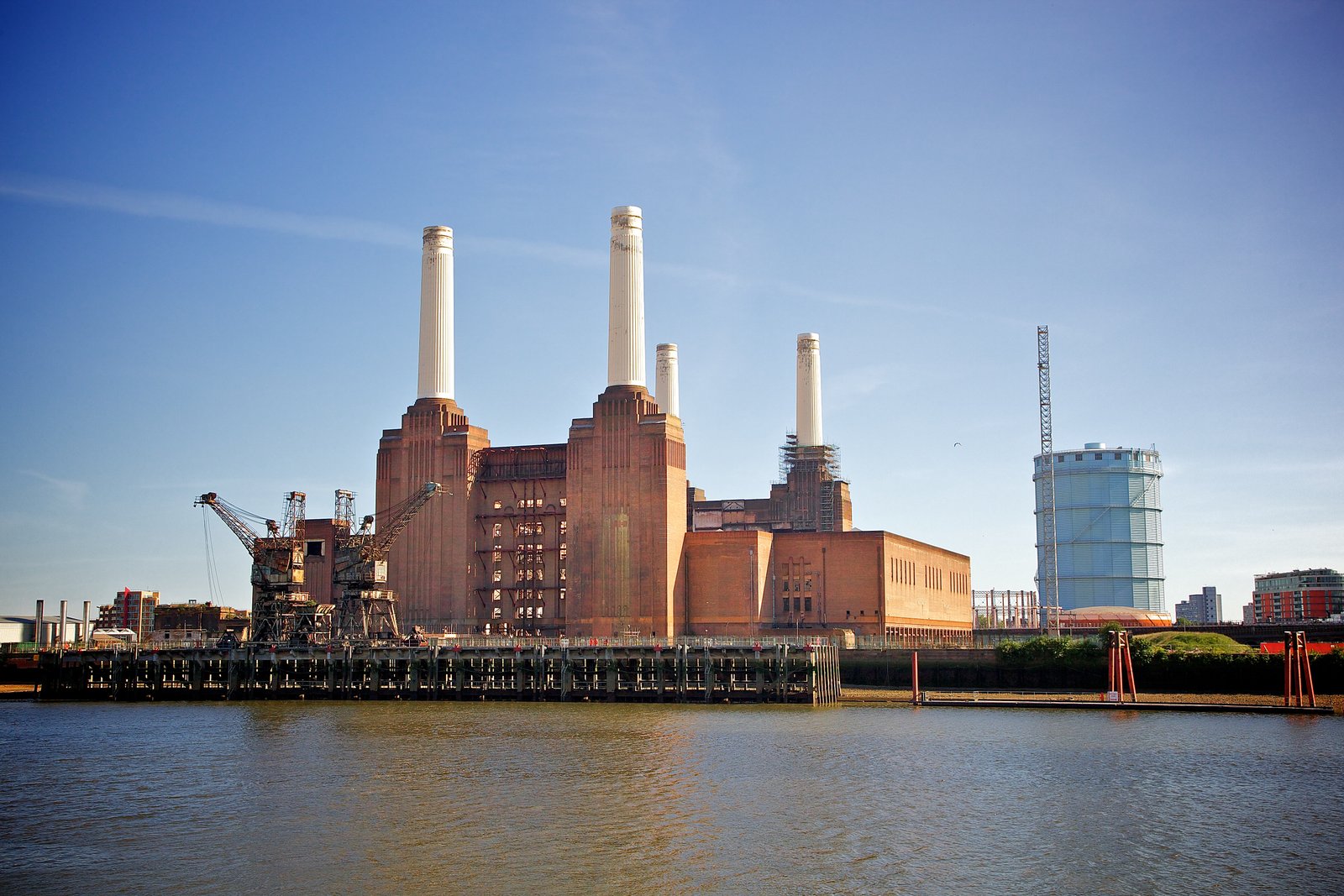
The Lingotto in Turin, a 1920s Fiat factory famous for its rooftop test track, was converted by Renzo Piano into a complex of conference halls, an auditorium, a shopping arcade, a hotel, a university faculty, and an art gallery — industrial heritage turned into a working cultural hub. In London, Battersea Power Station reopened as a mixed-use cultural and commercial destination after decades of dereliction; the nearby Bankside power station became Tate Modern. Each kept its monumental character while taking on an entirely new life.
The economic logic
Adaptive reuse is the clearest expression of heritage-led regeneration: a restored historic building anchors investment, jobs, and footfall, and pays back the cost of conservation through the activity it generates. We set out that argument in full in heritage as an economic engine.
Frequently Asked Questions
What is adaptive reuse of historic buildings?
It is giving a historic building a new function while preserving its structure and character — for example converting a disused factory, church, or station into housing, a museum, or offices — rather than demolishing it.
Why is adaptive reuse important?
It conserves heritage by keeping buildings standing and used, it is more sustainable than demolition and new construction, and it drives regeneration: a restored landmark raises the value and activity of the area around it.
What are examples of adaptive reuse?
Turin’s Lingotto, a former Fiat factory converted by Renzo Piano into a cultural and conference complex; London’s Battersea Power Station, reopened as a mixed-use destination; and the Bankside power station, transformed into Tate Modern.
Is adaptive reuse better than building new?
For a historic structure it usually is: it preserves cultural value, avoids the carbon and waste of demolition and new construction, and reuses existing infrastructure, while anchoring regeneration in the surrounding district.
Sources used in this article
- CHO place_card Lingotto — Turin, converted by Renzo Piano.
- CHO place_card Battersea Power Station — London.
- CHO magazine Heritage as an economic engine.