
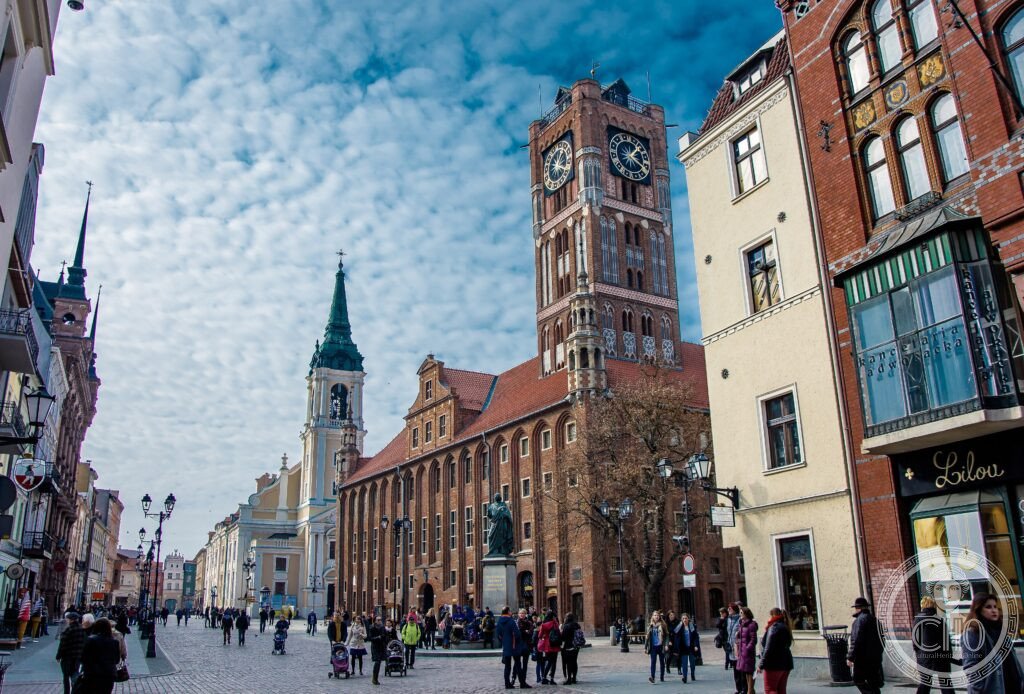
A September Week in Poland: Ten Heritage Sites
Ten Polish heritage sites in one September week — Gdańsk, Malbork, Toruń, Warsaw, Wrocław, Kraków, Wieliczka and Zamość, timed for the Europejskie Dni Dziedzictwa on 12–13 and 19–20 September 2026.

Luigi De Marchi, architect, is the editor and publisher of Cultural Heritage Online. He founded the archive in 1998 as beniculturalionline.it and has published it without interruption since.
Contributions: 44 articles · 1,238 heritage places · 26 itineraries · 2 road-books
Published on beniculturalionline.it, the Italian archive of this publication, online since 1998. They are being brought into Cultural Heritage Online.
Ten Polish heritage sites in one September week — Gdańsk, Malbork, Toruń, Warsaw, Wrocław, Kraków, Wieliczka and Zamość, timed for the Europejskie Dni Dziedzictwa on 12–13 and 19–20 September 2026.
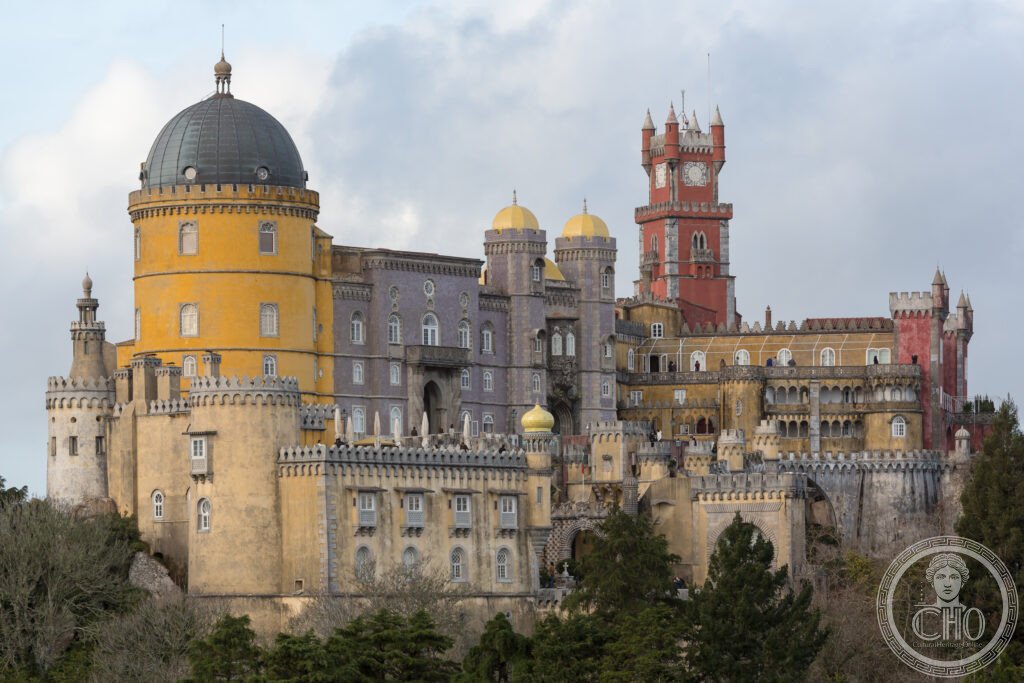
Ten Portuguese heritage sites in one September week — Guimarães, Porto, the monastery road, Sintra, Belém and Évora, timed for the Jornadas Europeias do Património. With map, GPX and KML downloads.

Ten Czech heritage sites in one September week — Prague, Kutná Hora, Olomouc, Brno, Telč and Český Krumlov, timed for the Dny evropského dědictví open days. With map, GPX and KML downloads.
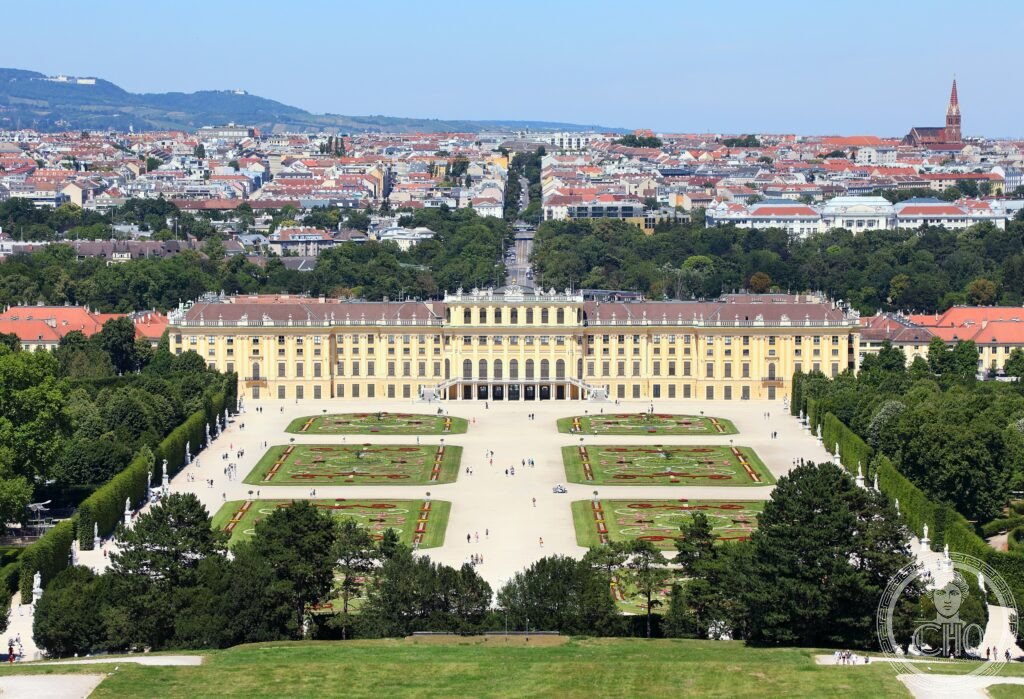
Ten Austrian heritage sites in one September week — Vienna, the Wachau, Salzburg, Hallstatt and Graz, timed for the Tag des Denkmals open day on 27 September 2026. With map, GPX and KML downloads.
From Covington, Georgia to Cooter’s Place in Nashville: the real filming locations and museum of The Dukes of Hazzard.
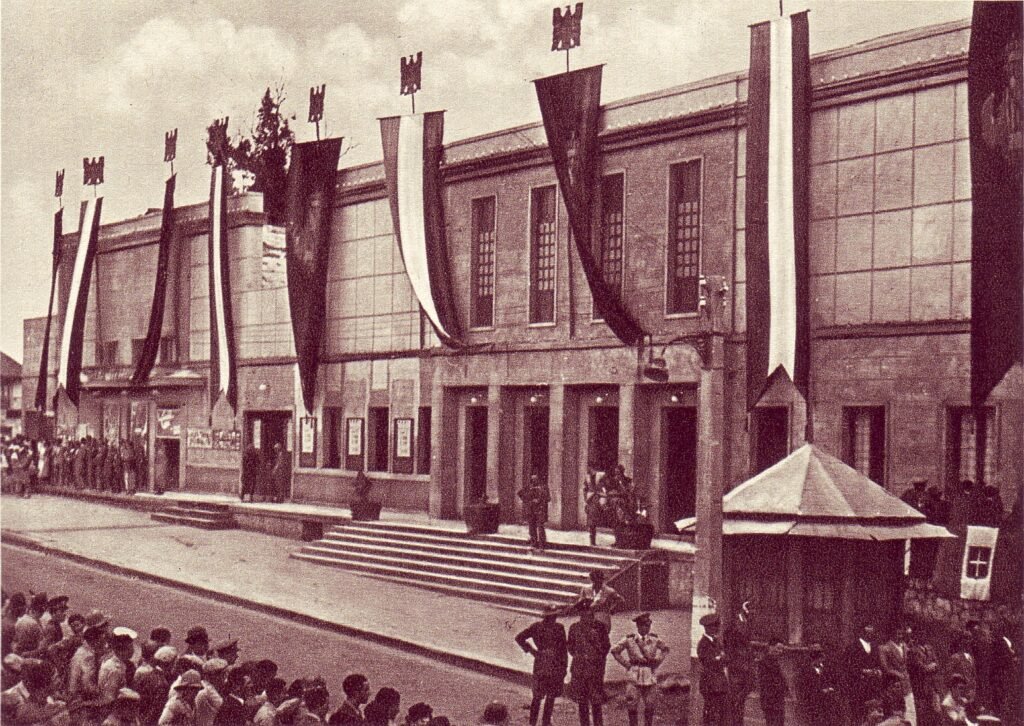
Italy rebuilt Addis Ababa’s former post office into the Supercinema Italia in 1937; renamed Cinema Ethiopia in 1941, it still stands in the Piazza district.